Which South Hills suburb actually costs more per square foot to buy a home in: Mount Lebanon or Upper St. Clair?
Most buyers would guess Upper St. Clair without hesitation. It's the suburb with the higher median home value, the larger lots, the new construction on McMurray Road. The available price-per-square-foot figures point the other way, but they cover different periods. Over the three months ending June 2026, Mount Lebanon homes sold for a median of $266 per square foot. Upper St. Clair's January 2026 city-level data showed $197 per square foot. In these figures, the suburb with the lower median home value has the higher price per square foot.
That difference is worth examining, even though the figures cover different periods. Two listings priced within a few thousand dollars of each other in these two towns are rarely comparable homes. One is likely a smaller, older house on a tight lot inside a walkable grid. The other is likely a larger house on more land, further from a commercial center. Same price, different product. A buyer comparing South Hills suburbs by median price alone is comparing two different things and calling them one.
Why the smaller house costs more per square foot
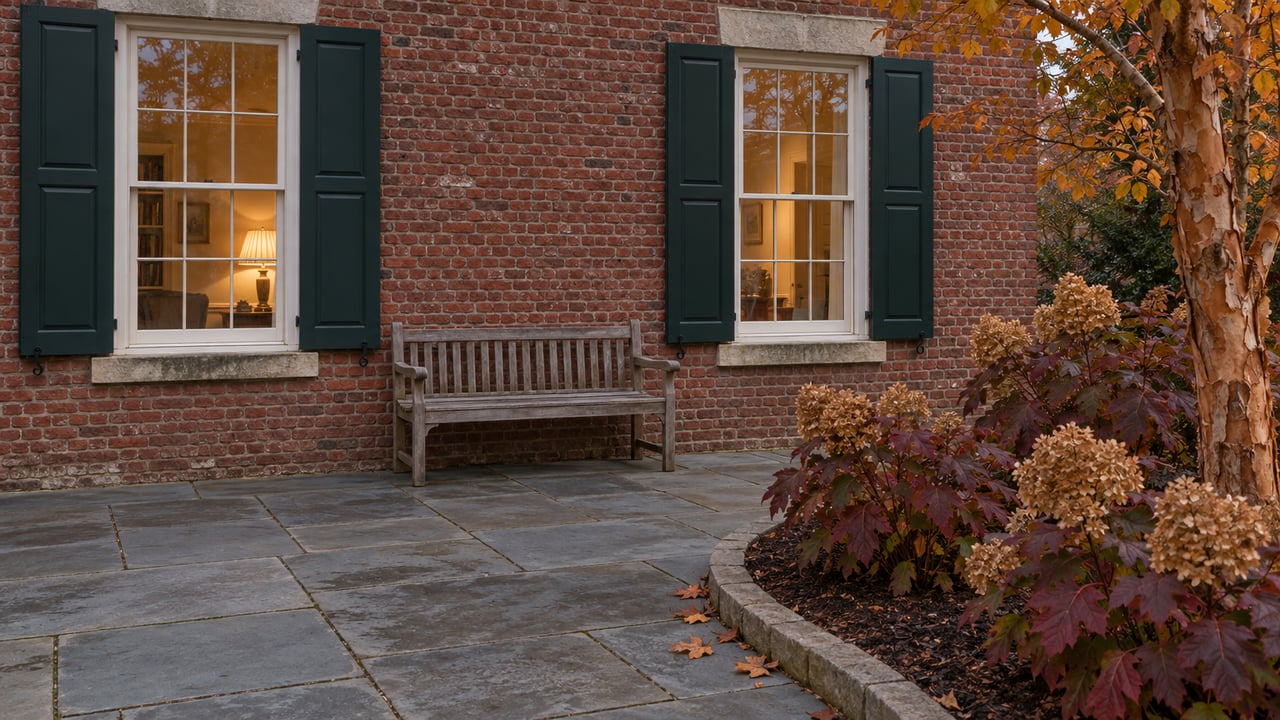
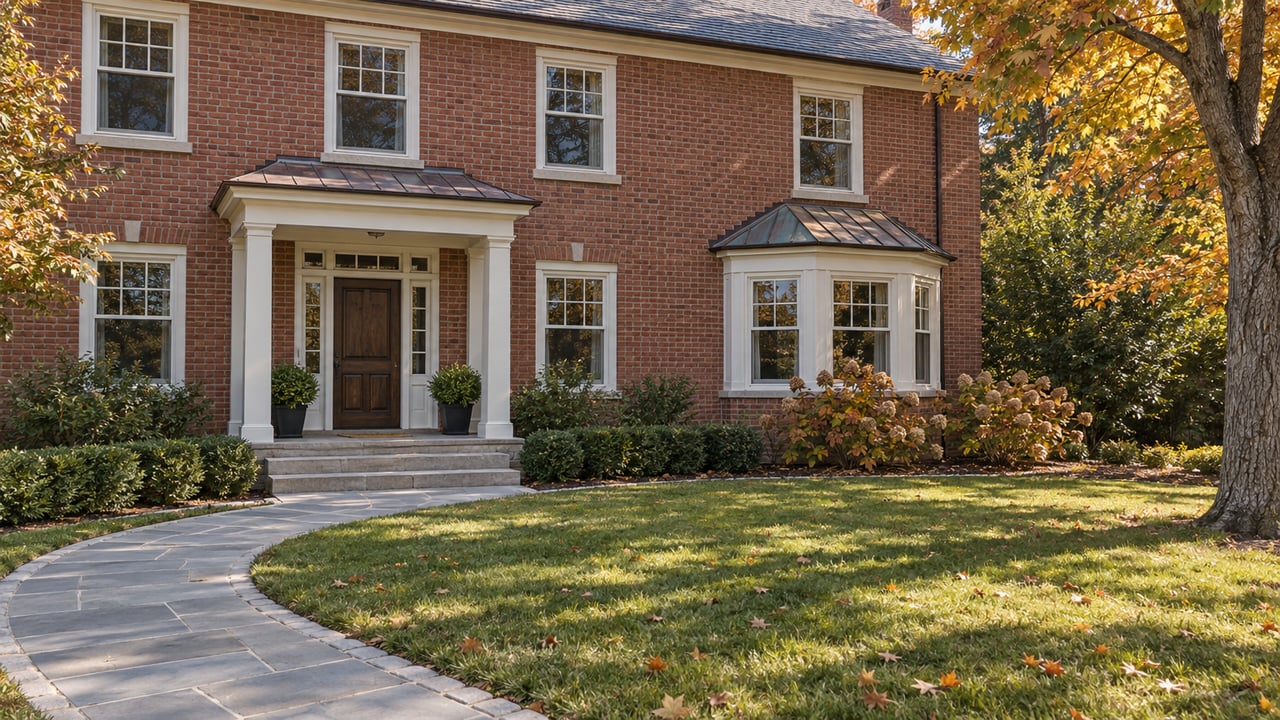
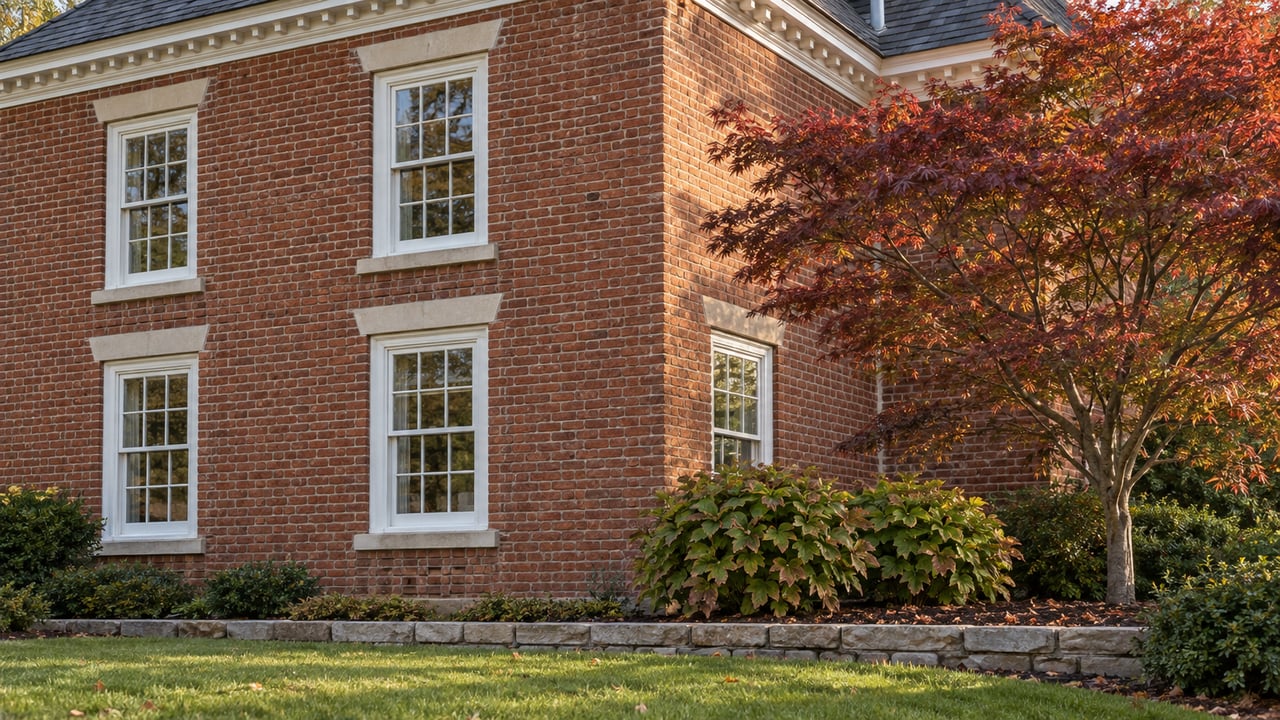
Mount Lebanon's housing stock explains the premium. The township's own design guide identifies Foursquare, Colonial Revival, Tudor, French Eclectic, Cotswold, and Arts and Crafts homes concentrated in its historic district, with Post-War Minimal, Ranch, Split-Level, Modern, and Postmodern styles filling out the newer pockets. Zoning backs up the compact footprint: Mount Lebanon's R-1 district requires a minimum lot size of just 8,000 square feet and a minimum lot width of 60 feet. Census figures put the township at 32,917 residents across 6.08 square miles, a density of roughly 5,606 people per square mile.
Upper St. Clair runs the opposite pattern. Its 2025 comprehensive plan shows the housing stock is about 90 percent single-unit detached homes, and township trend data indicates most of that stock was built between 1950 and 1989, with newer construction filling in on larger, more recently subdivided lots. You are buying more raw square footage per dollar in Upper St. Clair. You are buying a smaller, older, more walkable house per dollar in Mount Lebanon.
Neither is the better deal in the abstract. They are different products serving different priorities. A buyer who wants square footage and a workshop-sized garage is better served comparing Upper St. Clair listings against each other, not against Mount Lebanon's. A buyer who wants a pre-war Tudor two blocks from a business district is paying for something Upper St. Clair's housing stock mostly does not offer at any price.
Why one suburb's "median price" swings by 28 points in a single quarter
Bethel Park and Mount Lebanon both sell enough homes in a given month that their median prices behave the way you'd expect: they move gradually. Upper St. Clair does not, because it does not sell very many homes in any single month.
In January 2026, Redfin's city-level data for Upper St. Clair showed a median sale price of $375,000, down 18.5 percent year over year, on just 12 closed sales. Look at the 15241 zip code, which covers most of the township, and March 2026 tells a different story: a median of $460,000, up 9.5 percent year over year, on 35 sales. Same general geography, same general season, two data cuts that disagree by nearly $100,000 and by a 28-point swing in year-over-year direction.
This isn't a data error. It's what happens when a town sells a dozen or three dozen homes a month instead of a hundred. A handful of high-end sales or a handful of starter homes closing in the same 30-day window can swing the median dramatically without the underlying market having moved at all. Bethel Park sold 93 homes in May 2026. Mount Lebanon sold 141 in June 2026. Upper St. Clair's numbers are thin enough that any single month's median deserves a second look before anyone treats it as the market's verdict.
The practical takeaway for a buyer comparing suburbs: don't anchor to one portal's one-month snapshot for a low-volume town. Look at price per square foot, which is less sensitive to a handful of unusual sales, and look at a rolling three-month window rather than a single month.
Suburb | Median sale price | Price per square foot | Days on market |
|---|---|---|---|
Mount Lebanon | $435,000 (3 months ending June 2026) | $266 (3 months ending June 2026) | 41 |
Bethel Park | $302,000 (3 months ending May 2026) | $211 | 49 |
Upper St. Clair | $375,000 (Jan. 2026 city data); $460,000 (Mar. 2026, zip 15241) | $197 (Jan. 2026) | 65 (Jan. 2026); 58 (Mar. 2026, zip 15241) |
Mount Lebanon's 41-day average, paired with roughly 5 offers per listing over the same three-month window, points to the most competitive of the three markets despite the smaller lots and older mechanicals that typically come with pre-war housing stock. That's worth sitting with. A buyer who assumes bigger lots and newer construction automatically mean a hotter market would expect Upper St. Clair to move fastest. The data says otherwise.
The tax bill that doesn't show up on the listing sheet
Two similarly priced homes in different South Hills townships can carry meaningfully different property tax bills, and the gap comes down to millage, not home value.
For the 2025 to 2026 tax year, Upper St. Clair's school district millage runs about 31.515 mills. Bethel Park's runs about 27.3263 mills. Municipal millage adds a smaller gap: 3.83 mills in Upper St. Clair versus 3.53 in Bethel Park. County millage is the same for both, since it's set at the county level rather than the municipal one.
A few things complicate a straight comparison, but identical market prices in Upper St. Clair and Bethel Park do not produce identical carrying costs, because the school millage alone differs by more than 4 mills. On an assessed value in the low $300,000s, that's a meaningful annual difference before anyone factors in insurance or a mortgage rate.
This is the kind of number that surfaces during underwriting, not during the house tour. A buyer comparing two listings side by side should ask a lender or their agent to run the actual estimated tax line for each address rather than assuming a lower list price means a lower monthly payment across the board.
Where Bethel Park fits into the math
Bethel Park's numbers sit in the middle of this comparison on almost every measure: $302,000 median sale price, $211 per square foot, 49 days on market. It also carries the region's broader housing mix. Where Upper St. Clair is dominated by detached single-family homes and Mount Lebanon leans toward pre-war architecture on compact lots, Bethel Park's inventory includes mid-century ranches, split-levels, and a meaningful share of condos and attached homes near its retail corridors.
That mix changes what a given budget actually buys. A buyer priced out of Mount Lebanon's walkable core or Upper St. Clair's larger lots can find a wider range of home types and price points inside Bethel Park without leaving the South Hills corridor. The tradeoff isn't better or worse. It's a different shape of inventory, which is exactly why the median price alone tells you so little about what you'll actually be choosing between once you start touring.
FAQ
Does a lower median price always mean a better deal per square foot? Not necessarily. Mount Lebanon's median sale price is lower than the high end of Upper St. Clair's range, but its price per square foot is higher, because its housing stock sits on smaller, more walkable lots. Compare price per square foot alongside median price before assuming one town is cheaper than another.
Why does Upper St. Clair's median price seem to jump around more than its neighbors? Upper St. Clair sells far fewer homes per month than Mount Lebanon or Bethel Park. With only a dozen to three dozen closings in a typical month, one unusually high or low sale can swing the median noticeably without reflecting a real shift in the market. A three-month rolling window smooths this out better than any single month's snapshot.
Comparing South Hills suburbs on price tag alone leaves out the parts of the math that actually determine what you'll pay to live there. If you're weighing Mount Lebanon, Upper St. Clair, Bethel Park, or another South Hills community against each other, Lauren can walk through the price-per-square-foot and carrying-cost numbers for the specific addresses on your list.
This article is general information, not legal, tax or financial advice. Consult a qualified professional about your situation.